Aloe Vera for Skin: Uses in Ayurveda & Skin Care
Also known as Ghritkumari, Kumari, Gwarpatha, Aloe vera gel · Aloe barbadensis Miller
Ghritkumari, the cooling aloe on every Indian balcony, is valued in Ayurveda for its soothing gel. Learn how to use it on skin and hair, and what to watch for.
Aloe vera is the spiky, succulent plant that grows happily in pots on balconies and terraces across India. In Hindi it is often called gwarpatha or ghritkumari, and in Sanskrit kumari. Snap a leaf and you find the clear, cool gel that so many people reach for on hot summer days.
This guide covers what aloe vera is, how it has been valued in Ayurveda, the simple ways people use it on skin and hair, which of our formulas include it and the safety points worth knowing.
What is aloe vera (ghritkumari)?
Aloe vera, Aloe barbadensis Miller, is a succulent with thick, fleshy leaves that store water. It thrives in warm, dry climates and is grown commercially in states such as Rajasthan and Gujarat. Two different materials come from the leaf: the clear inner gel, used in skin care, and a bitter yellow sap, or latex, found just under the leaf's skin.
Aloe vera in Ayurveda
In Ayurveda, kumari is described as cooling and moistening, and it is traditionally associated with pitta, the dosha linked to heat. The name ghritkumari is often explained as a nod to the gel's smooth, ghee-like texture, and the plant has long been grown in Indian courtyards for everyday use.
How aloe vera is commonly used
- Fresh gel: scooped from a washed, drained leaf and smoothed onto skin as a light, cooling layer.
- Face packs: mixed into clay, besan or sandalwood packs to make them creamier and less drying.
- Hair care: blended with coconut oil or applied to the scalp before washing.
- Bought gels: a convenient option; choose one made for skin with a short ingredient list.
Aloe vera in our formulas
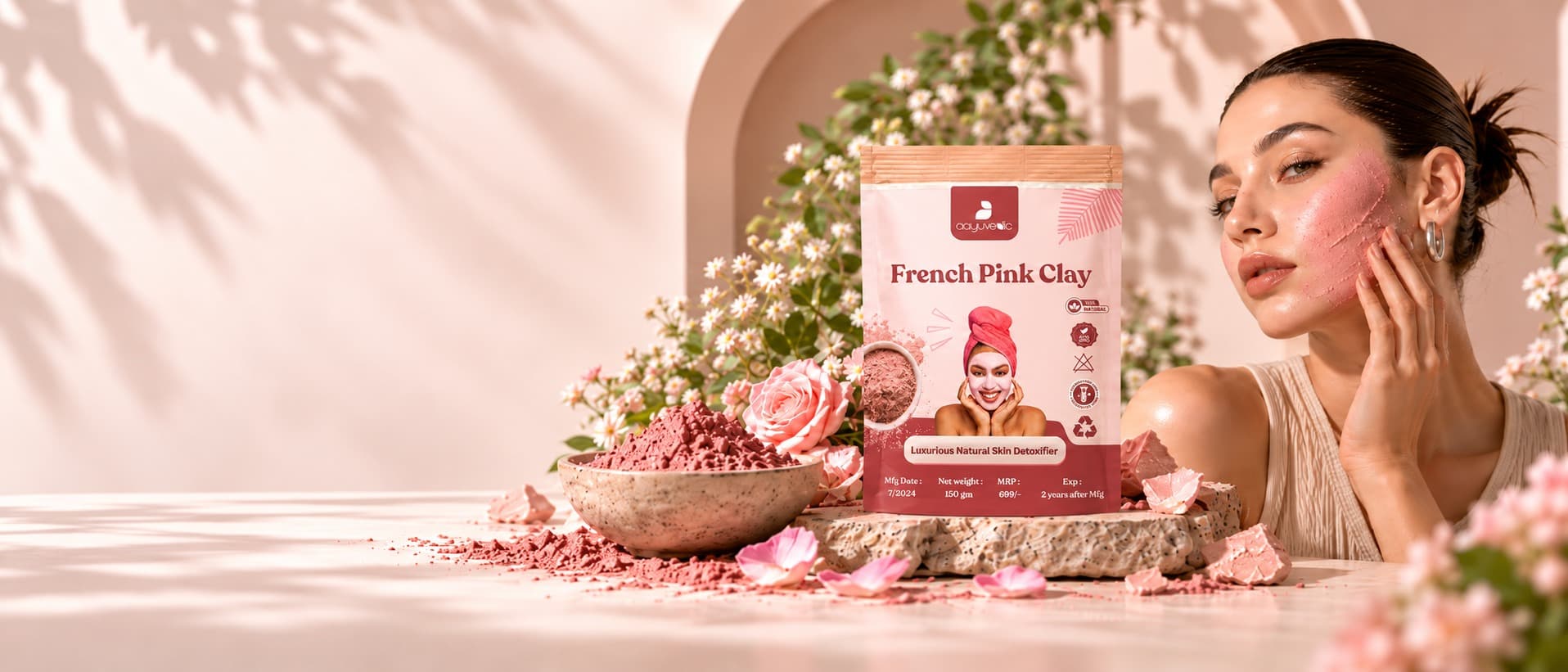
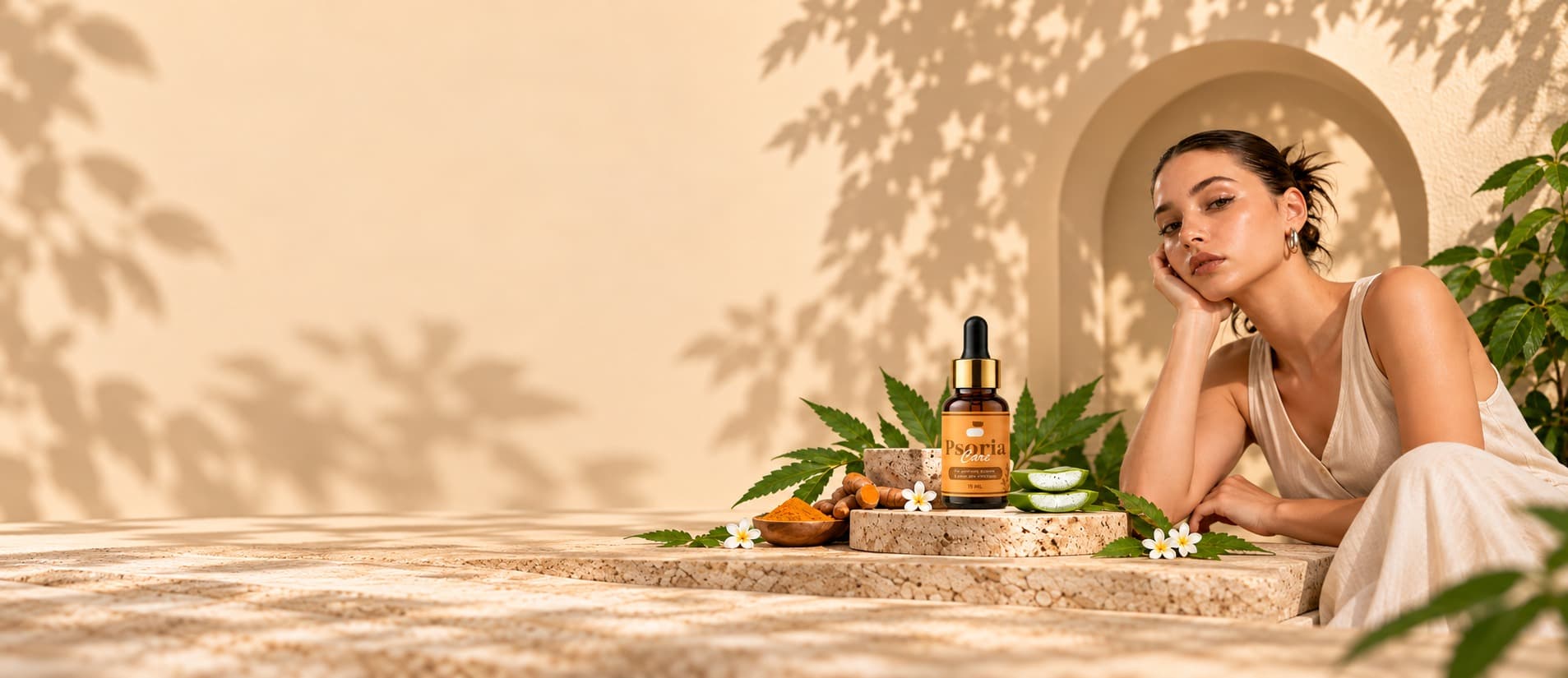
Aloe vera features in two of our formulas: the French Pink Clay face mask, where it sits alongside pink clay and rose petal, and Psoria Care, a skin oil with neem and turmeric. Follow the pack directions for each, and patch test before first use.
Safety notes
- Patch test fresh aloe gel and aloe products on your inner forearm for 24 hours; some people are sensitive to aloe.
- Use only the clear inner gel on skin and drain away the yellow sap, which can irritate.
- Taking aloe by mouth is different from applying it. Consult a doctor before drinking aloe juice, especially if you are pregnant, breastfeeding or on medication.
- Store fresh gel in the fridge and use it within a few days.
Questions people ask
Many people leave a thin layer of aloe vera gel on overnight without any trouble, but it is best to try it for an hour or two first. Patch test, use only the clear gel and rinse in the morning. If your skin feels itchy or tight, wash it off and stop using it.
Both have their place. Fresh gel is simple and free of additives but spoils quickly and must be drained of the yellow sap. A bought gel lasts longer and is easier to use. Whichever you choose, look for a short ingredient list, avoid heavy fragrance and patch test first.
Yes, these are common home combinations. A spoonful of aloe gel with a pinch of turmeric, or stirred into multani mitti or pink clay instead of water, makes a smoother, less drying pack. Keep the layer thin, rinse before it dries completely and patch test any new mix.
Aloe vera is generally considered gentle, but sensitivity varies and some people do react to it. Start with a small amount on the inner forearm and wait 24 hours. If you have a skin condition, a rash or very reactive skin, check with a dermatologist before adding aloe to your routine.
The Wellness Journal is for general education and inspiration only. It isn’t medical advice — please speak to a doctor or qualified Ayurvedic practitioner about any health concern, and patch test new products before use.
Formulas with aloe vera
Read each pack’s ingredients and directions before use.