Shilajit: What It Is, How It Is Sourced and Used
Also known as Shilajatu, Silajit, Mumijo, Mineral pitch, Shuddh shilajit
Shilajit is a dark, mineral-rich resin that seeps from Himalayan rock. Here is how it is collected and purified, and how Ayurveda has traditionally valued it.
Shilajit is a dark, sticky, tar-like substance that slowly seeps from cracks in high mountain rock, most famously in the Himalayas. It is not a plant but a resin that forms over a very long time as plant matter breaks down within the rock, which is why it is rich in minerals.
Known as shilajatu in classical Sanskrit texts and as mumijo in parts of Central Asia, shilajit has a long history in Ayurveda. This guide explains what it is, how it is collected and purified, how it is traditionally taken, and what to keep in mind before you use it.
What is shilajit?
Shilajit is gathered by hand from rock faces at high altitude, usually in the warmer months when the resin softens and runs. In its raw form it carries soil, rock fragments and other impurities, so it is never meant to be used straight from the mountain.
- Hindi: shilajit or silajit
- Sanskrit: shilajatu
- Other names: mumijo, mineral pitch
- Forms: purified resin, powder, or an ingredient in capsules
Shilajit in Ayurveda
Ayurveda places shilajit among the rasayanas, a classical group of substances traditionally taken as part of a long-term approach to general wellbeing. It is often described alongside herbs rather than on its own, and classical preparations pair it with botanicals such as ashwagandha.
Classical texts insist on shodhana, a purification step before use. Traditionally the raw resin is dissolved in water or herbal decoctions, filtered, and slowly dried in the sun until a cleaner resin remains. Purified shilajit is usually labelled shuddh shilajit.
How shilajit is commonly used
Purified shilajit resin is traditionally dissolved in a little warm water or warm milk. Today it is also sold as a powder and inside capsules, often blended with other Ayurvedic herbs.
Shilajit in our formulas
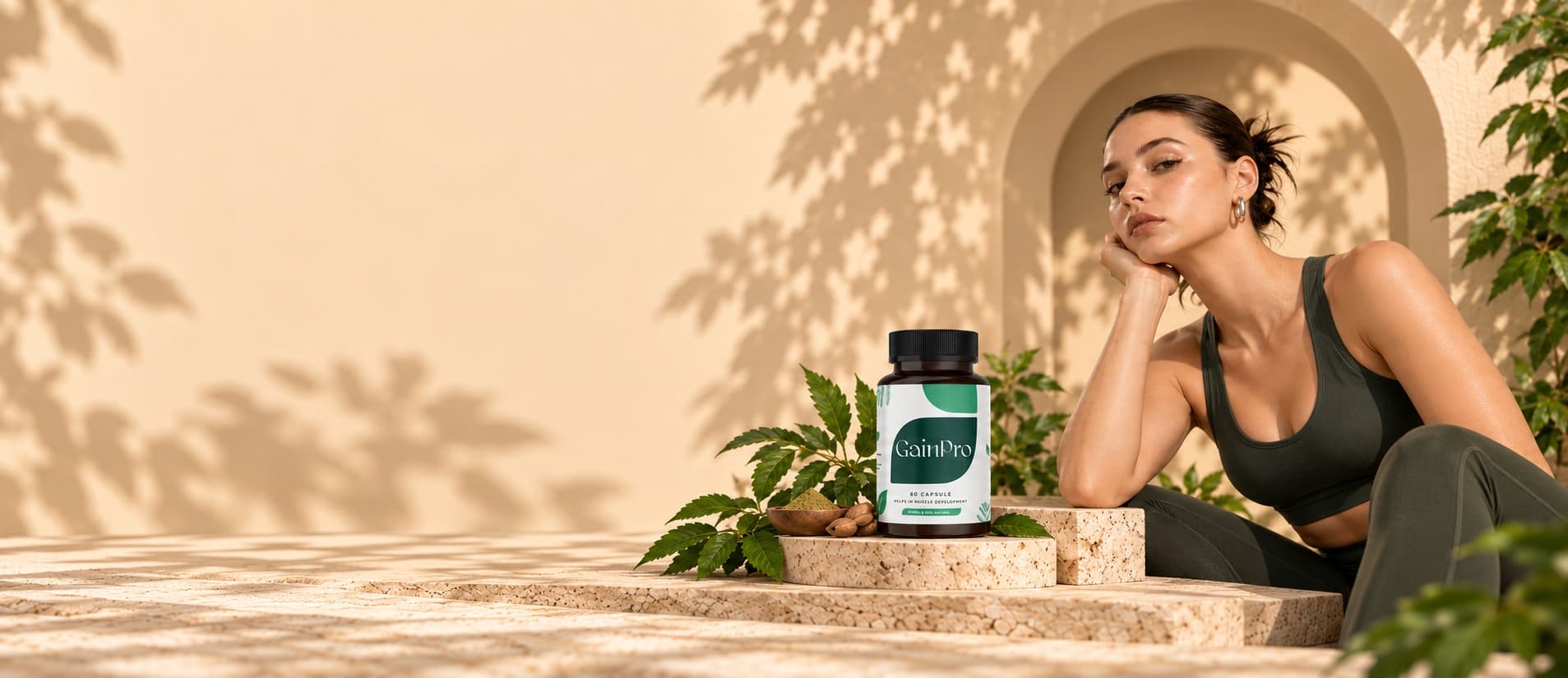
Shilajit is one of five ingredients in GainPro, our capsule formula that also contains ashwagandha, safed musli, kaunch beej and gokshura. If you choose to take it, follow the pack directions, alongside a balanced diet and regular activity.
Safety notes
- Use only purified shilajit from a reputable source, and never consume raw resin of unknown origin.
- If you are pregnant or breastfeeding, take regular medication or have a health condition, consult a doctor or qualified Ayurvedic practitioner before use.
- Follow the dose on the label and avoid combining several shilajit products.
- Shilajit is a traditional ingredient, not a substitute for medical care.
Questions people ask
Shilajit is a mineral-rich resin that forms over a long period as plant matter breaks down within mountain rock. It seeps out of cracks in the rock, mostly in the Himalayas, and is collected by hand. Raw shilajit contains impurities, so it is traditionally purified before use and sold as resin, powder or capsules.
In Ayurveda, purified shilajit resin is usually dissolved in a little warm water or warm milk. Today it is more often found as a powder or inside capsules, frequently blended with herbs such as ashwagandha. Whichever form you choose, follow the directions on the pack rather than guessing an amount for yourself.
Purified shilajit is usually labelled shuddh shilajit. Buy from a brand that clearly lists its ingredients, manufacturer details and batch information on the pack, and avoid loose resin sold without labelling. If you are unsure about a product, ask a qualified Ayurvedic practitioner before using it.
The Wellness Journal is for general education and inspiration only. It isn’t medical advice — please speak to a doctor or qualified Ayurvedic practitioner about any health concern, and patch test new products before use.
Formulas with shilajit
Read each pack’s ingredients and directions before use.