Kaunch Beej (Kapikacchu): Uses in Ayurveda & Safety
Also known as Kapikacchu, Velvet bean, Kevanch, Konch, Cowhage · Mucuna pruriens
A plain guide to kaunch beej, the velvet bean seed Ayurveda calls kapikacchu: what it is, how it is traditionally processed and the safety points worth knowing.
Kaunch beej, the seed of the velvet bean, is one of the more unusual herbs in Ayurveda. The plant is well known in Indian villages for its pods, which are covered in fine orange-brown hairs that cause intense itching on contact. The Sanskrit name kapikacchu is usually explained as 'that which makes a monkey itch'.
Inside those pods are the seeds, the part used in Ayurveda. This guide covers what kaunch beej is, how it is traditionally prepared and taken, which of our formulas contains it, and the safety points worth knowing.
What is kaunch beej?
Mucuna pruriens is a vigorous climbing legume found in forests and hedgerows across India. It has drooping clusters of purple flowers and curved, hairy pods holding several seeds. The seeds are smooth and shiny, ranging from cream to mottled brown or black depending on the variety. In Hindi they are called kaunch or kevanch beej.
The seeds naturally contain L-dopa (levodopa), a compound that is also used in some prescription medicines. That is one reason kaunch beej deserves more caution than an everyday kitchen herb.
Kaunch beej in Ayurveda
Classical texts class kapikacchu seed among the nourishing Rasayana herbs and traditionally associate it with balancing vata.
- Rasa (taste): sweet and bitter.
- Virya (potency): warming.
- Processing: the seeds are traditionally purified through shodhana, often by boiling them in milk and removing the outer coat before drying and powdering.
How kaunch beej is commonly taken
Unlike methi or amla, kaunch beej is not part of everyday Indian cooking. It is taken mostly as a processed seed powder, traditionally mixed into warm milk, or in tablets and capsules where it is usually combined with other herbs.
Kaunch beej in our formulas
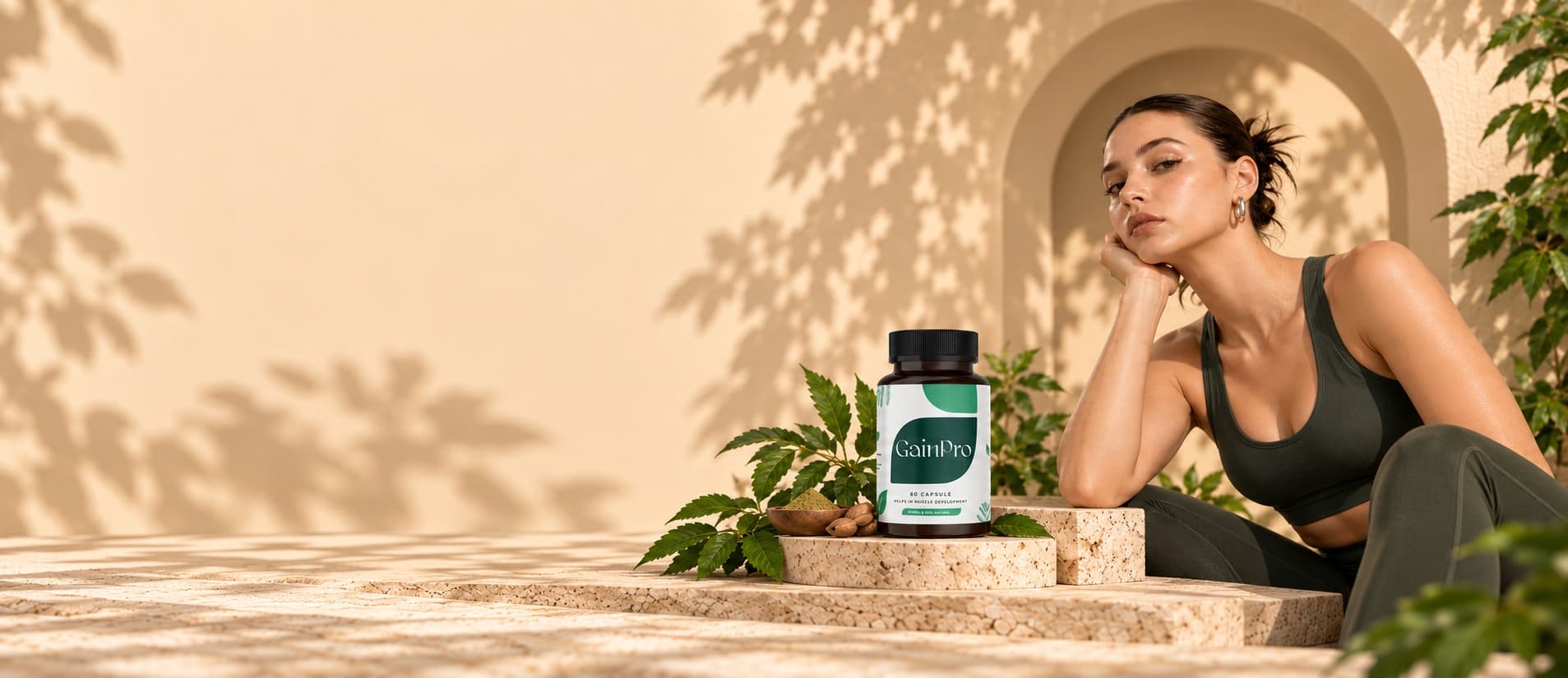
Kaunch beej is one of the five herbs in our GainPro capsules, alongside ashwagandha, shilajit, safed musli and gokshura. Follow the pack directions, see the product page for the full ingredient list, and check with a doctor before use if you take any regular medication.
Safety notes
- Not recommended during pregnancy or while breastfeeding unless your doctor has advised it.
- Kaunch beej naturally contains L-dopa. If you take any prescription medicine, especially one that acts on the brain, nerves or mood, or medicine for blood pressure or blood sugar, consult a doctor before use.
- Avoid it if you are allergic to legumes or to any ingredient on the label, and keep raw pods away from skin and eyes.
- Stick to the dose on the label and stop use if you feel unwell.
- Herbal supplements are not a substitute for medical care or a balanced diet.
Questions people ask
Kaunch beej is the seed of Mucuna pruriens, known in English as velvet bean or cowhage. In Sanskrit it is kapikacchu, and in Hindi it is also called kevanch or konch. All these names refer to the same climbing legume, whose seeds are used in Ayurveda after traditional processing.
Ayurveda traditionally purifies kaunch beej through shodhana, commonly by boiling the seeds in milk and removing the outer coat before drying and grinding them. The aim is to make the seed suitable for use. Modern products use processed seed powder or extracts, so follow the directions on the pack you buy.
Kaunch beej naturally contains L-dopa, a compound also used in some prescription medicines, so it may not mix well with certain treatments. If you take any regular medication, speak to a doctor before using kaunch beej or a formula that contains it, and never use it to replace prescribed medicine.
The Wellness Journal is for general education and inspiration only. It isn’t medical advice — please speak to a doctor or qualified Ayurvedic practitioner about any health concern, and patch test new products before use.
Formulas with kaunch beej
Read each pack’s ingredients and directions before use.