
Shatavari: Uses in Ayurveda, Forms & Safety
Also known as Shatavar, Satavari, Indian asparagus, Wild asparagus · Asparagus racemosus
A plain guide to shatavari, the wild asparagus root: its Sanskrit name, its traditional place as a cooling Rasayana in Ayurveda, how it is taken at home and safety notes.
Shatavari is a climbing wild asparagus whose roots have been part of Ayurvedic practice for centuries. In many Indian families it is a familiar name, kept as a churna in the kitchen and often mentioned in the same breath as ashwagandha.
Here we look at what shatavari is, how Ayurveda traditionally describes it, how it is commonly taken at home, and which of our formulas contain it. This is general education, not a recommendation for any health concern.
What is shatavari?
Shatavari (Asparagus racemosus) is a thorny, climbing relative of garden asparagus, found across India and the Himalayan foothills. It grows from a dense cluster of finger-like, tuberous roots, and these roots are the part used in Ayurveda. The Sanskrit name is often read as 'one with a hundred roots', a nod to that cluster.
After harvest the roots are cleaned, peeled, dried and ground into an off-white powder with a mild, slightly sweet and slightly bitter taste. In Hindi it is commonly called shatavar or satavar.
Shatavari in Ayurveda
Classical texts describe shatavari as a Rasayana and traditionally associate it with calming pitta and vata, which is why it often appears in cooling, nourishing preparations.
- Rasa (taste): sweet and bitter.
- Virya (potency): cooling.
- Traditional framing: a nourishing Rasayana, long associated with women's daily routines across different stages of life, and used in classical preparations for men as well.
In Ayurveda, shatavari is less a quick fix and more a slow, steady part of the daily routine.
How shatavari is commonly taken
At home, shatavari churna is most often stirred into warm milk, sometimes with a pinch of cardamom or a little mishri. Some families take it with ghee. Today it is also sold as granules, tablets and capsules.
Shatavari in our formulas
Shatavari is one of the herbs in three of our capsule formulas: Grow+, Her Desire and Lift Up. Each pairs it with other classical herbs, and the full ingredient list is on every product page. If you take one of these formulas, follow the pack directions and do not add a separate shatavari supplement unless a doctor or qualified Ayurvedic practitioner suggests it.
Safety notes
- Not recommended during pregnancy or while breastfeeding unless your doctor has advised it.
- If you take regular medication or are under medical care for any condition, including a hormone-related condition, consult a doctor or qualified Ayurvedic practitioner before use.
- Shatavari belongs to the asparagus family; avoid it if you are allergic to asparagus or to any ingredient on the label.
- Stick to the dose on the label and stop use if you feel unwell.
- Herbal supplements are not a substitute for medical care or a balanced diet.
Questions people ask
Shatavari is closely associated with women's routines in Ayurveda and is often searched as shatavari for women, but classical texts do not limit it to women, and it appears in formulations for men too. Whether it suits you personally is best discussed with a doctor or qualified Ayurvedic practitioner, especially if you take other medicines.
The traditional home method is to stir shatavari churna into a cup of warm milk, often with a little cardamom or mishri for taste, usually in the morning or at bedtime. Packaged products vary in strength, so follow the directions printed on your pack instead of a general spoon measure.
Shatavari root powder has a mild, slightly sweet and slightly bitter taste with an earthy note. Most people find it easy to take in warm milk. Capsules and tablets avoid the taste altogether, which is one reason many people prefer them for everyday use.
The Wellness Journal is for general education and inspiration only. It isn’t medical advice — please speak to a doctor or qualified Ayurvedic practitioner about any health concern, and patch test new products before use.
Formulas with shatavari
Read each pack’s ingredients and directions before use.

Daily nutrition
Grow+
Daily Ayurvedic nutrition with ashwagandha, amla and shatavari.
View formula
Women's vitality
Her Desire
Ayurvedic wellness capsules for women, with shatavari and saffron.
View formula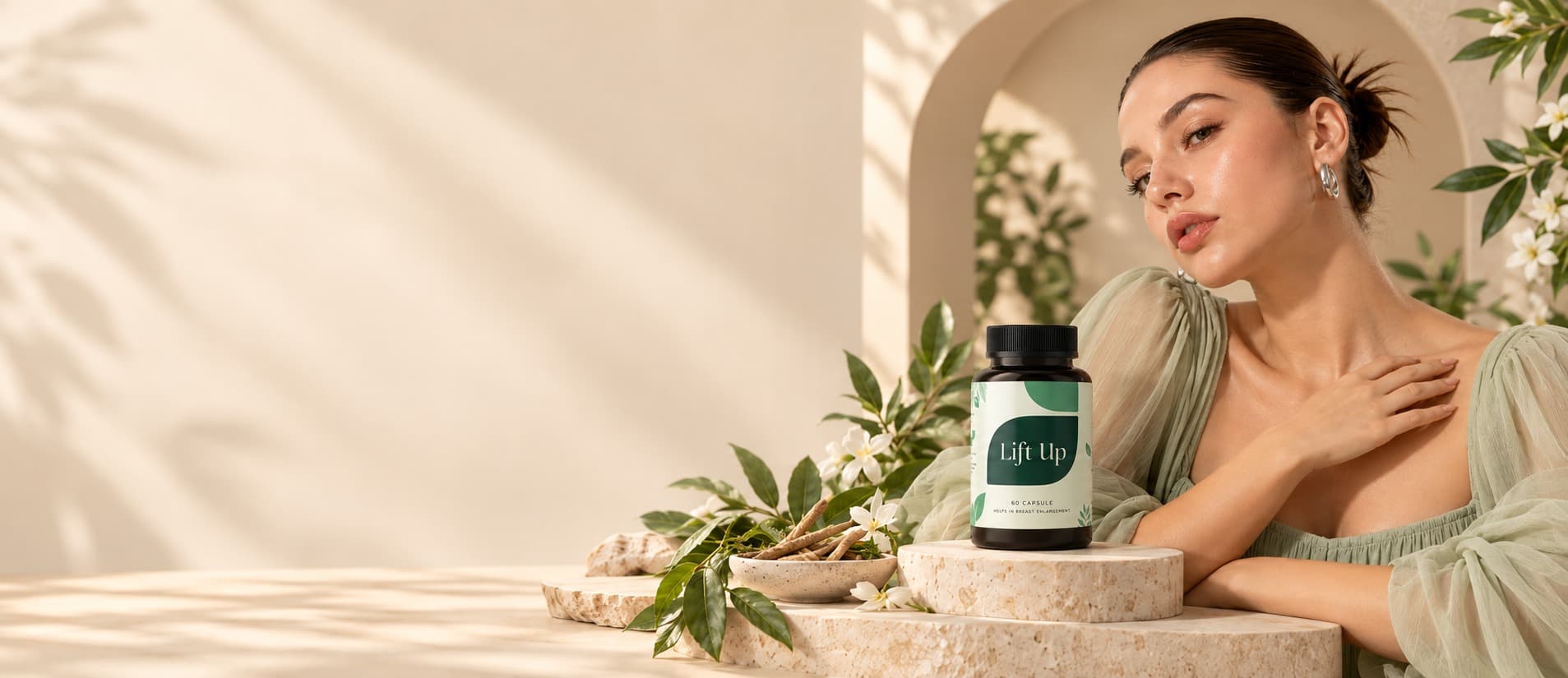
Women's wellness
Lift Up
Ayurvedic herbal capsules for women, with shatavari and fenugreek.
View formula