Fenugreek (Methi): Uses in Ayurveda, Food & Safety
Also known as Methi, Methi dana, Kasuri methi, Methika · Trigonella foenum-graecum
A plain guide to fenugreek, or methi: the seed and leaf every Indian kitchen knows, how Ayurveda describes it, the ways it is used at home and sensible safety notes.
Methi is so ordinary in Indian kitchens that it is easy to forget it is also an Ayurvedic herb. The seeds crackle in the tadka for dal and kadhi, the fresh leaves become methi paratha and aloo methi, and a pinch of kasuri methi finishes many a curry.
This guide looks at what fenugreek is, how Ayurveda describes it, the many ways it is used at home, and which of our formulas includes it. It is general education, not medical advice.
What is fenugreek?
Fenugreek (Trigonella foenum-graecum) is an annual plant of the pea family, grown widely in Rajasthan, Gujarat and Madhya Pradesh. It produces small, hard, golden-brown seeds in long pods, along with soft green leaves. Both are used: the seeds as a spice and herbal ingredient, the leaves as a vegetable, fresh or dried.
In Hindi the seeds are methi dana and the dried leaves kasuri methi; the Sanskrit name is methika. The raw seeds are distinctly bitter with a warm, maple-like aroma that mellows when they are roasted.
Fenugreek in Ayurveda
Classical Ayurveda describes methika as a seed that belongs as much in the kitchen as in the herb cupboard, a good example of the Ayurvedic view that the spice box is part of everyday self-care. It is traditionally associated with balancing vata and kapha.
- Rasa (taste): bitter and pungent.
- Virya (potency): warming.
- Traditional framing: a kitchen spice used in small amounts as part of daily meals, with the seed also used as a dried herb.
How methi is used in Indian homes
- Tadka: a few seeds fried in ghee or oil for dal, kadhi and sambar.
- Fresh leaves: methi paratha, thepla, aloo methi and methi malai.
- Kasuri methi: crushed between the palms over curries and dals.
- Soaked seeds: left in water overnight, a common home habit in many families.
- Methi laddoo: a traditional winter sweet in north and west India.
Fenugreek in our formulas
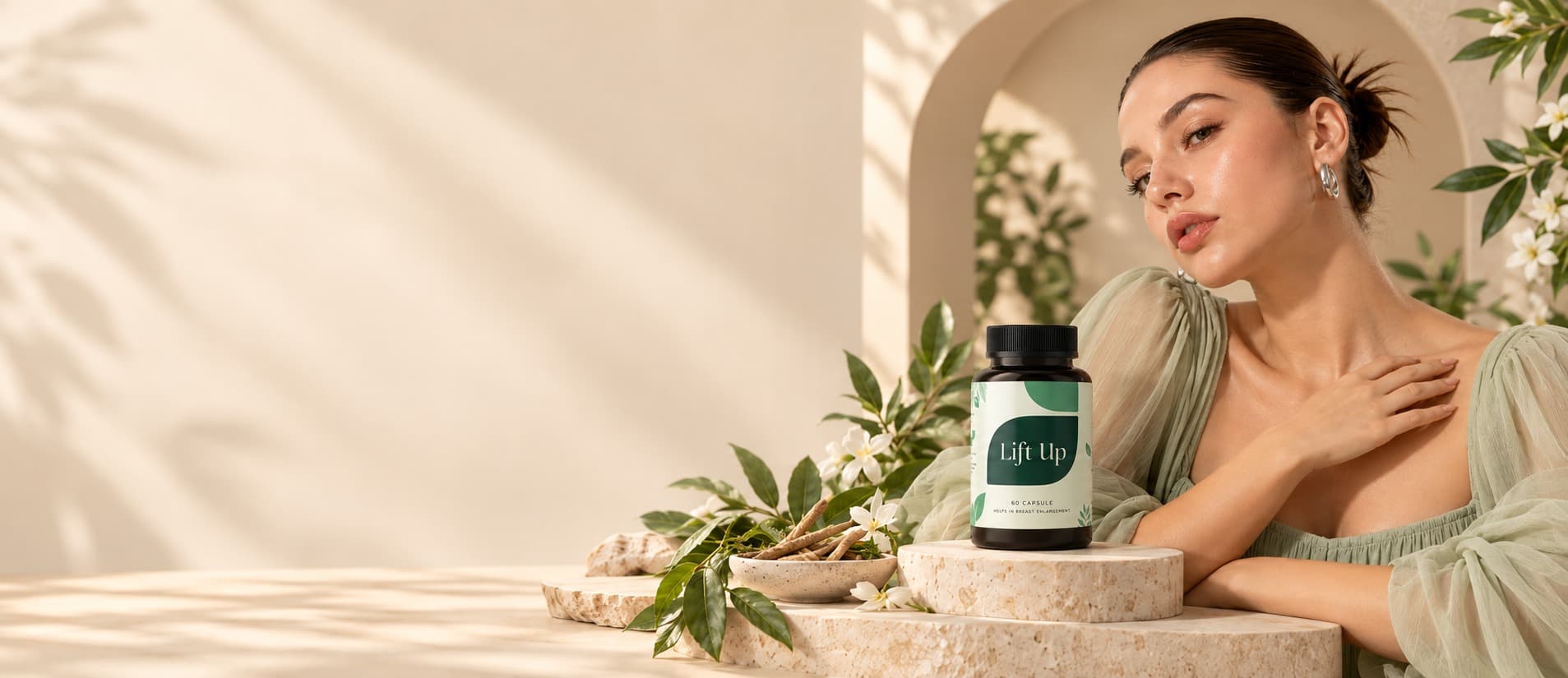
Fenugreek is one of the five herbs in our Lift Up capsules, alongside shatavari, ashwagandha, gokshura and yashtimadhu. Follow the pack directions, and see the product page for the full ingredient list.
Safety notes
- Culinary amounts are part of everyday food, but avoid fenugreek supplements during pregnancy or while breastfeeding unless your doctor advises otherwise.
- If you take regular medication, particularly for blood sugar or to thin the blood, consult a doctor or qualified Ayurvedic practitioner before using fenugreek supplements.
- Fenugreek is a legume; if you are allergic to peanuts, chickpeas or other legumes, check with a doctor first, and avoid it if you react to any ingredient on the label.
- Stick to the dose on the label and stop use if you feel unwell.
- Herbal supplements are not a substitute for medical care or a balanced diet.
Questions people ask
Yes. Fenugreek is the English name for methi, Trigonella foenum-graecum. In Indian kitchens, methi dana means the seeds, fresh methi means the green leaves, and kasuri methi means the dried leaves. All come from the same plant, though they are used quite differently in cooking.
Soaking softens the hard seeds and mellows their bitterness, making them easier to chew or add to food. Drinking methi water or eating the soaked seeds in the morning is a common home habit in many Indian families. If you have a medical condition or take medication, check with your doctor before making it a daily routine.
Raw fenugreek seeds are quite bitter, with a warm, nutty aroma often compared with maple syrup. Roasting or frying them briefly in a tadka softens the bitterness. The fresh leaves are milder and only slightly bitter, while dried kasuri methi has a strong, savoury fragrance that is used to finish curries.
The Wellness Journal is for general education and inspiration only. It isn’t medical advice — please speak to a doctor or qualified Ayurvedic practitioner about any health concern, and patch test new products before use.
Formulas with fenugreek
Read each pack’s ingredients and directions before use.