
An Ayurvedic Skin Care Routine for Even-Toned, Radiant-Looking Skin
An everyday Ayurveda-inspired routine for even-looking skin, covering cleansing, packs, oiling, sun care and daily habits, plus what pigmentation is and when to see a dermatologist.
By Aayuvedic Herbals team · · 6 min read

In Ayurveda, healthy-looking skin is seen as a reflection of how we live: what we eat, how we sleep, how we handle stress and how kindly we treat our skin each day. Classical texts describe varnya herbs, botanicals traditionally used to support a clear, radiant complexion, such as turmeric (haridra), licorice (yashtimadhu) and saffron (kesar). But the foundation is always the daily routine.
This guide sets out an everyday, Ayurveda-inspired routine for skin that looks more even and radiant. It's gentle and realistic for Indian weather and city life, and it explains in plain words what pigmentation is, and when it's time to see a dermatologist rather than reach for another product.
What is pigmentation? Uneven skin tone in plain words
Your skin's colour comes from melanin, a pigment made by cells called melanocytes. When some areas make more melanin than the skin around them, you see darker patches or spots, which we usually call pigmentation or uneven skin tone. Common triggers include sun exposure, marks left behind after a pimple or irritation, hormonal changes, friction and some medicines.
Indian skin naturally has more melanin, so it tends to show these marks readily and can hold on to them for a while. That's why the gentlest habits, sun protection and not irritating the skin, matter more than anything else in an even-tone routine.
Morning routine: gentle cleansing and daily sun protection
- Cleanse with lukewarm water and a mild, low-foam cleanser. Very hot water and harsh scrubs can irritate skin, which is the opposite of what you want.
- Pat dry and apply a light moisturiser: a gel if your skin is oily, a cream if it's drier.
- Apply a broad-spectrum sunscreen of SPF 30 or above, about two finger-lengths for face and neck, every day, including cloudy monsoon days and days spent near a window.
- Reapply every two to three hours when you're outdoors, and add a hat, dupatta or umbrella in strong midday sun.
Evening routine: thorough cleansing and facial oiling
In the evening, cleanse thoroughly to clear away sunscreen, makeup and the day's dust; a gentle cleansing oil or balm followed by your usual cleanser works well. Then, while skin is still slightly damp, press in two to four drops of a face oil.
Facial oiling, a small extension of abhyanga, is traditionally valued for leaving skin soft and supple. Kumkumadi-style oils, which feature saffron alongside other classical herbs, are a long-standing Ayurvedic choice. Our Pigmentation Oil, made with turmeric, licorice and kumkumadi, can be used for this step; follow the pack directions and patch test first.
- Massage with light upward and outward strokes for a minute or two, without tugging.
- Use less oil if your skin is oily or breakout-prone, and leave out areas with active, inflamed spots.
- Leave pimples and scabs alone; picking is one of the most common reasons marks linger.
Weekly face packs for radiant-looking skin
Once or twice a week, a face pack adds a gentle cleansing step. Traditional Indian ubtans combine besan, a pinch of turmeric and curd or milk; fruit-peel powders and clays are other home favourites. An orange peel powder pack with curd or rose water is a simple option, and our Orange Peel Powder is ready to mix if you'd rather not prepare your own.
Keep packs on for ten to fifteen minutes, rinse before they dry and crack, and moisturise afterwards. Don't use a pack on the same day as a scrub or exfoliating acid, and leave a gap after waxing or threading.
Even-looking skin is built quietly, day by day, with sunscreen, gentleness and patience rather than quick fixes.
Sleep, hydration and diet habits for healthy-looking skin
Ayurveda sees the skin as a mirror of the whole body, so everyday habits matter as much as anything you apply.
- Sleep seven to eight hours on a regular schedule, and change pillow covers twice a week.
- Drink water steadily through the day, more in summer, along with coconut water, chaas or nimbu pani in hot weather.
- Eat plenty of seasonal fruit and vegetables, especially colourful ones such as amla, carrots, oranges, papaya and leafy greens.
- Go easy on very spicy, deep-fried and heavily processed food, which Ayurveda associates with excess heat (pitta).
- Find a daily outlet for stress: a walk, a few minutes of pranayama or simply a screen-free evening.
Some people also like to include an Ayurvedic capsule such as Skin 21 in their daily routine. As with any supplement, read the label, and check with your doctor first if you are pregnant, nursing, have a medical condition or take regular medication.
When to see a dermatologist
A good routine supports healthy-looking skin, but some changes need a professional opinion. Please see a dermatologist if you notice:
- Patches that are spreading, very dark or appeared suddenly.
- A spot or mole that changes in size, shape or colour, itches or bleeds.
- Skin changes alongside other symptoms, such as hair loss, irregular periods or unusual tiredness.
- Marks that look no different after several months of steady sun protection and gentle care.
- Irritation, burning or a rash from any product.
In short
- Pigmentation is extra melanin in some areas, often triggered by sun, irritation or hormones.
- Daily broad-spectrum sunscreen is the most important step for an even-looking tone.
- Cleanse gently, oil the face lightly at night and use a face pack once or twice a week.
- Good sleep, hydration, seasonal food and not picking at skin all support healthy-looking skin.
- See a dermatologist for patches that are spreading, sudden or changing.
Questions people ask
Keep it simple: a gentle cleanse morning and night, moisturiser, daily broad-spectrum sunscreen, a few drops of face oil at night and a face pack once or twice a week. Support it with good sleep, hydration and seasonal food. Consistency over several weeks matters more than adding lots of products.
An Ayurvedic routine can support healthy-looking, more even skin, but no routine or product can promise to clear pigmentation. Sun protection, gentle care and patience are the foundation. Because pigmentation has many possible causes, a dermatologist is the right person to assess patches that are spreading, sudden or persistent.
Yes, just use less. Two drops pressed into damp skin at night is usually plenty, and you can leave out the T-zone or any areas with active breakouts. Patch test first, and stop using the oil if you notice irritation or new bumps.
Skin renews itself gradually, so any change in how it looks takes time and differs from person to person. Give a new routine at least six to eight weeks of consistent use, with daily sunscreen, before judging it. If you have concerns, or nothing changes after a few months, see a dermatologist.
The Wellness Journal is for general education and inspiration only. It isn’t medical advice — please speak to a doctor or qualified Ayurvedic practitioner about any health concern, and patch test new products before use.
Formulas that fit this routine
Optional steps from our range — read each pack’s directions before use.

Keep reading
 Skin care
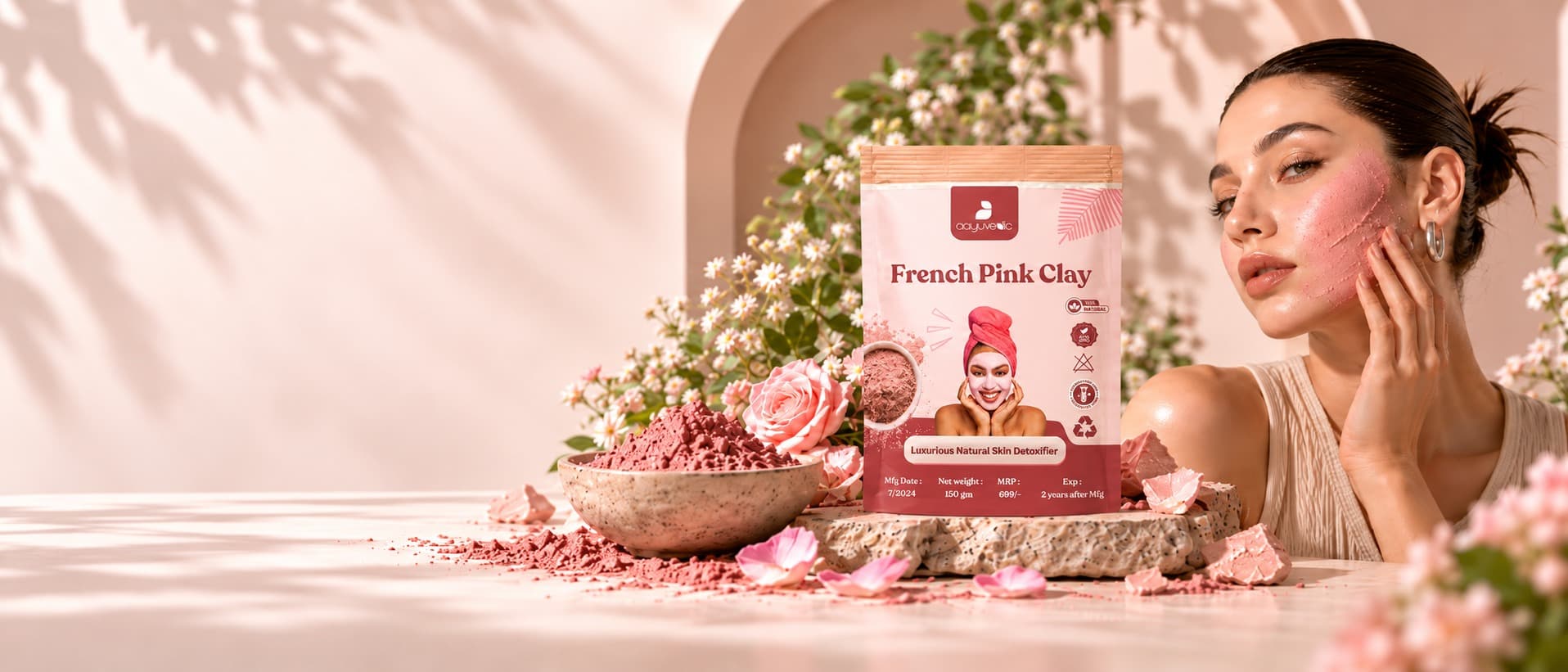
How to Use a French Pink Clay Face Mask: A Gentle Weekly Ritual
Everything you need to use a pink clay face mask well: who it suits, what to mix it with, how long to leave it on, how often to use it and how to care for skin afterwards.
· 6 min read
 Skin care
Orange Peel Powder Face Packs: 4 Simple Home Recipes for Glowing-Looking Skin
Four easy orange peel powder face packs to make at home, with curd, honey, rose water, besan or multani mitti, plus how often to use them and how to protect your skin afterwards.
· 5 min read
 Daily rituals
Dinacharya: A Simple Ayurvedic Daily Routine for Modern Indian Life
A calm, realistic take on dinacharya, the Ayurvedic daily routine, with small morning, midday and evening habits that fit around office hours, commutes and family life.
· 6 min read